


Aiora chair by DavidHugh
This ultimate-comfort chair uses FENIX® as part of its extraordinary innovation design.
British wellness design brand DavidHugh has unveiled its latest creation, the result of 20 years research: a design-led, dynamic chair that has been engineered to allow users to enter a deep meditative state. Designed for the so-called floatation-based attenuation, the Aiora chair offers both extraordinary wellness and innovative material design.
The modular design emphasises organic minimalism and uses premium materials. The cushioning is trimmed in wool-blend fabrics or luxury leather, and the precision-engineered aluminium and steel frame is laminated with FENIX®’s distinctive matt look and velvety touch.
“This new design represents DavidHugh’s radical new evolution, transitioning from comfort to consciousness, biomechanics to neuroscience, furniture to wellness innovation. It builds on the legacy of the extraordinary Elysium chair, creating one of the most comfortable, blissful experiences the world has to offer”.
The company’s neuroscience research has repeatedly shown measurable brainwave changes in individuals using the chair that mirror those found in long-term Buddhist meditators.
David Wickett, PhD designer and co-founder of DavidHugh, talks about the different levels of innovation offered by the Aiora chair.
What are the benefits of the Aiora chair?
Aiora belongs to a new category of human experience known as floatation-based attenuation. Until recently, experiences of this kind were only possible using traditional sensory-deprivation float tanks.
By significantly reducing external sensory input and creating a genuine sensation of weightlessness, Aiora allows users to access rich internal states of awareness. Many describe it as a form of advanced meditation that is effortless and immediately accessible, without prior training or technique, available precisely in the moments it is most needed.
Through repeated laboratory and real-world studies, DavidHugh’s research has shown that Aiora can rapidly shift a person’s mode of attention away from high-stress, effortful cognition towards a state of open, calm, embodied awareness, and it does so in a matter of minutes.
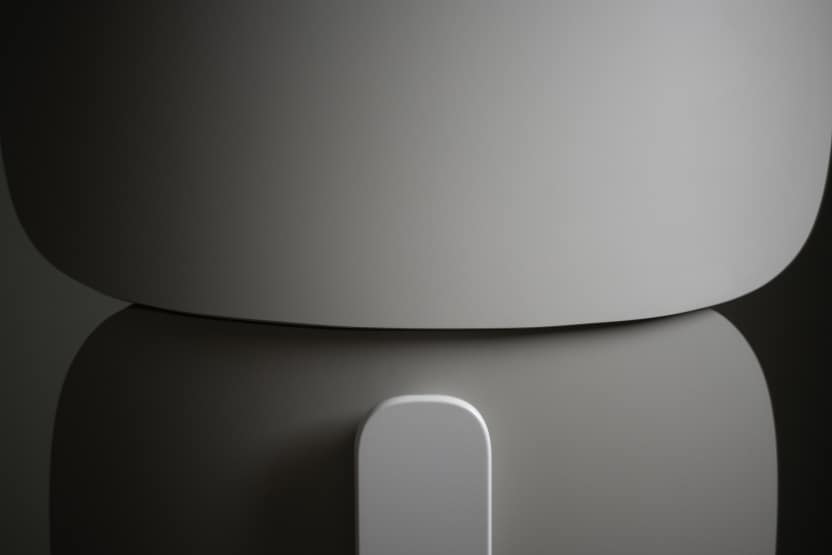
Why did you choose FENIX® as the material for the shell?
Aiora is positioned in a premium market, with prices ranging from £5,700 to £9,850, so the material selection needed to reflect both performance and refinement. FENIX was a natural choice.
However, we are not using the material in a conventional way. We form FENIX into three-dimensional plywood shells using heated production moulds. We also developed a proprietary method for printing logos directly onto the FENIX surface.
The result is a solution that is technically innovative and entirely unique in the marketplace.
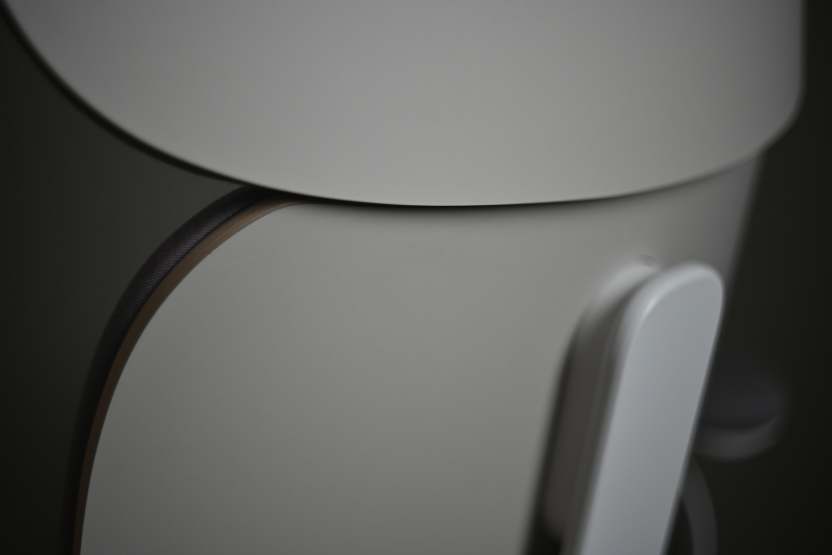
What FENIX colours is the chair available in?
Aiora is offered in three collections—Monochrome, Soul, and Signature—all of which use two core shell colours: FENIX Beige Arizona and Cacao Orinoco.
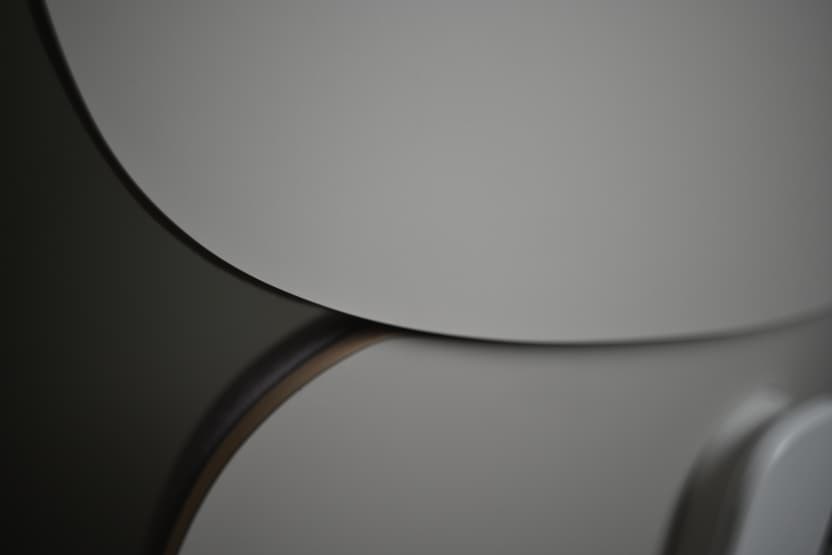
Is FENIX’s distinctive visual and haptic comfort important to the chair’s design?
Absolutely. FENIX has an exceptional combination of colour depth and tactile quality, and materiality is central to the Aiora experience.
This attention to sensory detail extends throughout the design. For example, the steel and aluminum frames are powder-coated twice—first in custom colours, and then again with a soft-touch lacquer. This alters the perceived temperature of the metal by changing how it conducts heat from the fingertips, reduces fingerprints, and softens light reflection.
These details mirror the qualities we value in FENIX itself: its super-matt surface, warmth to the touch, and fingerprint resistance. Together, they contribute to a calm, cohesive sensory language that supports the chair’s deeper experiential purpose.
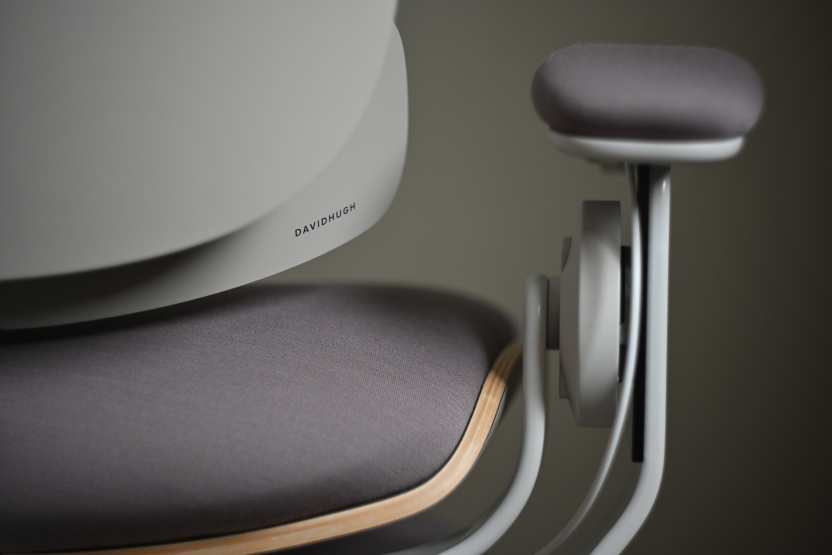
Is durability also a relevant factor in your material choices?
Durability is extremely important and is something we actively communicate through the Aiora design. FENIX’s use of next-generation, electron-beam-cured resins delivers exceptional resilience while maintaining a refined surface quality.
Equally important is sustainability. Responsible material sourcing aligns closely with Aiora and the wider DavidHugh ethos, where environmental responsibility is not an afterthought but a core design principle.

DavidHugh
In 2002, Dr David Wickett built the first prototype that would become the foundation of Floatation® technology. His research at PhD level led to the development and validation of a novel biomechanical model of human posture.
With a background in international business and a PhD in environmental policy, Dr Melody Chen’s calling was entrepreneurship. In 2013, one year after marrying, David and Melody founded DavidHugh with a vision to create a new category of wellness innovation through the convergence of science and design.
Their first expression of this vision was the Elysium chair, in three limited editions between 2016 and 2020. With the support of a growing team, they have continued advancing Floatation® technology.